
By Zane – Science Explorer
When most of us stroll through a park or tend to our houseplants, we marvel at the beauty of leaves and blossoms, often forgetting that plants live in a world of subtle communication and bustling activity. Recent scientific discoveries are uncovering secret channels in the plant kingdom that challenge everything we thought we knew about life on Earth.
The Hidden Conversations Beneath Our Feet
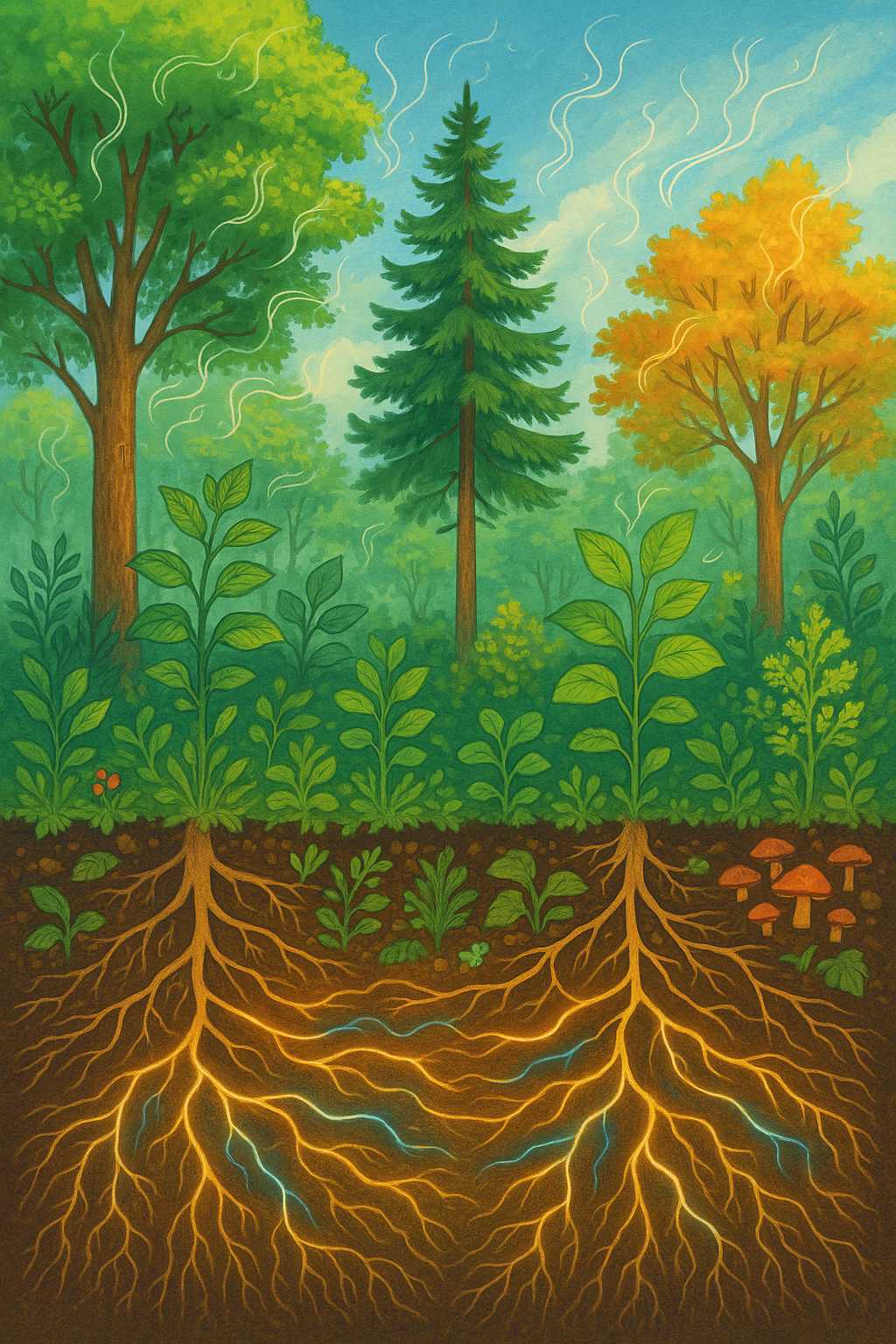
For decades, it was assumed that plants were silent, solitary life forms. Now, scientists have revealed that they are anything but passive. Plants use an underground network of root systems, aided by fungi called mycorrhizae, to send chemical, electrical, and even sound signals to one another. This “Wood Wide Web” allows plants to share nutrients, warn neighbors of insect attacks, and even sabotage competitors.
For instance, if a caterpillar starts munching on one tree, that tree can release signaling chemicals into the air or soil, warning others nearby to beef up their own chemical defenses. In some forests, older trees support seedlings by delivering sugar and water through these underground networks, ensuring their survival in tough times.
Why Should Humans Care?
Understanding plant communication has practical payoffs for us all. For farmers, harnessing these networks could mean crops that naturally fend off pests or drought, reducing the need for chemical pesticides and irrigation. In cities, urban planners are starting to recognize the social life of trees and are planting diverse arrangements to keep park ecosystems healthier.
On a deeper level, this research challenges our notions of intelligence, cooperation, and what it means to be alive. If even plants—so radically different from animals—have communal lives, perhaps we need to rethink how we interact with the natural world.
The Road Ahead
We’re only beginning to tap into the wonders of plant signaling. Future innovations may unlock plant-based sensors for pollution or stress, new medicines derived from plant defense mechanisms, and sustainable designs inspired by the collaborative strategies of forests.
So, next time you pass by a grove or water your favorite fern, remember: you’re in the midst of a silent, ongoing conversation—a reminder that the world is more connected than it seems, and that science will continue to reveal the mysteries growing right before our eyes.
Leave a Reply